Scientist–Industry convergence under CSIR Aroma Mission charts a future-ready roadmap
Lucknow | A Scientist–Industry Meet on AROMA 4.0 under the CSIR Aroma Mission was successfully organized on 07 January 2026 at CSIR-CIMAP, Lucknow. The meet brought together scientists, Directors of participating CSIR laboratories, policymakers, and representatives from leading aroma, perfumery, essential oil, flavour, and fragrance industries to deliberate on the future roadmap of India’s aroma sector.
The objective of the meet was to strengthen science–industry–policy synergy, accelerate technology deployment under AROMA 4.0, and address emerging challenges related to climate change, market dynamics, and global competitiveness. The entire programme was conducted as per the approved schedule.
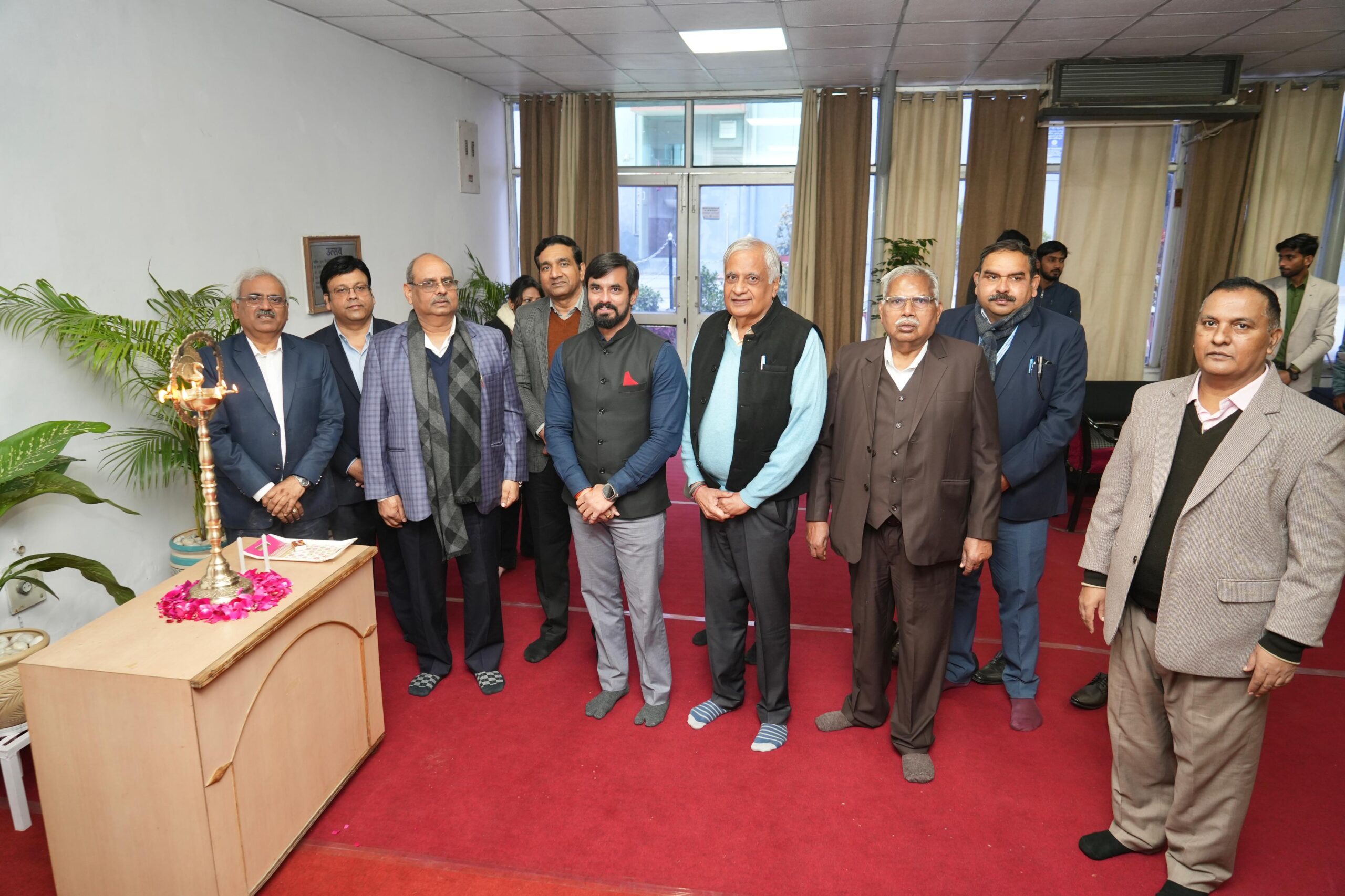
The programme commenced with registration at Utsav Hall, followed by the ceremonial lighting of the lamp by Dr. Prabodh Kumar Trivedi, Director, CSIR-CIMAP; Dr. Sudesh Kumar Yadav, Director, CSIR-IHBT; Dr. Ajit Kumar Shasany, Director, CSIR-NBRI; Dr. Alok Kalra with Mr. Yogesh Dubey, President, Fragrance and Flavour Association of India, Mr. Phool Prakash, President, Mint Manufacturer Export Association and dignitaries from aroma industries.
In his inaugural address, Dr. Prabodh Kumar Trivedi emphasized that AROMA 4.0 marks a shift from research outputs to measurable national impact. He stated that the CSIR Aroma Mission integrates farmers, industry, and science into a unified value chain, with a focus on production of essential oil in volume, quality consistency, traceability, and global market acceptance. He assured industries of customized technologies, handholding support, and scale-up facilitation.
Dr. Sudesh Kumar Yadav, Director, CSIR-IHBT, highlighted the need for climate-resilient aromatic crops and sustainable production systems, stating that CSIR laboratories are actively working on improved varieties and adaptive agronomic practices to meet industry demand under changing climatic conditions.
Dr. Ajit Kumar Shasany, Director, CSIR-NBRI, stressed the integration of plant science, genomics, and biodiversity-led research with industrial requirements, enabling the development of next-generation aroma crops and high-value natural molecules.
Joining online, Dr. V. M. Tiwari, Director, CSIR-NEIST, highlighted the importance of regional diversification, particularly the North-Eastern region, for expanding India’s aroma raw material base through inter-institutional collaboration.

Dr. S. P. Singh, Director, National Productivity Council, New Delhi, emphasized the role of the aroma sector in productivity enhancement, MSME growth, and rural employment generation. He noted that standardization, process optimization, and value-chain efficiency are essential for improving competitiveness of Indian aroma products in global markets.
Presenting CSIR-CIMAP’s aroma-based technologies, Dr. R. K. Srivastava stated that 2026 will be a decisive year for technology deployment under AROMA 4.0, with focused efforts to translate laboratory innovations into field adoption and industrial implementation.
Dr. Sanjay Kumar highlighted the achievements of the CSIR Aroma Mission in terms of farmer income enhancement, entrepreneurship development, startup support, import substitution, and export growth, and noted that the next phase will focus on market-driven R&D and branding of Indian essential oils.
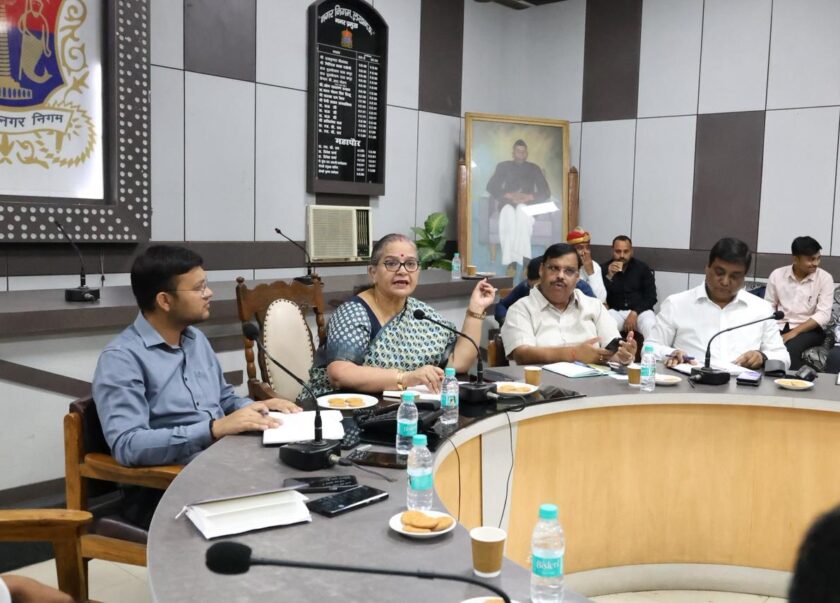
During the interactive session, leading representatives from the aroma, fragrance, flavour, and allied sectors shared their perspectives and industry expectations. These included Yogesh Dudey, President, FAFAI; Phool Prakash, Former President, EOAI and Director, Hindustan Mint and Agro Products Pvt. Ltd.; Vaibhav Agarwal, M.D. Norex Flavours Private Limited; Gaurav Mittal, M.D., Aromatic & Allied Chemicals Pvt. Ltd.; Amit Tripathi, GIZ; Akhilesh Gupta, Herbochem Pvt. Ltd.; Maninder Singh Yadav, Yathavat Aromatics; and Shri Jatin Mehto, representing the Synthetic aroma segment.
Industry representatives collectively emphasized the need for long-term science–industry collaboration, and suggested focused attention on globally demanded aroma crops such as rosemary, patchouli, geranium, palmarosa, citronella, rose, chammomile and davana. Key challenges highlighted included climate change impacts, demand-driven variety development, balancing natural and synthetic aroma molecules, quality standardization, certification, traceability, and stronger market synergy. Industry also assured active partnership with CSIR institutions to translate research outputs into commercially viable and globally competitive products.
The programme concluded with concluding remarks by Dr. Alok Kalra, who emphasized that alignment of scientific innovation with market needs is critical for sustainable national impact. The vote of thanks was proposed by Dr. R. K. Srivastava, followed by the National Anthem.
The meet reaffirmed CSIR’s commitment to Atmanirbhar Bharat, positioning India as a global hub for high-quality aroma and perfumery products under AROMA 4.0